Is Ayurveda
Scientific?

5,000 years of empirical observation meets modern molecular biology. Here's what the evidence actually says.

๐Ÿ“‹ The Quick Answer

Ayurveda is not "unscientific" โ€” it's pre-scientific. It was built on centuries of systematic empirical observation, long before randomized controlled trials existed. Today, modern science is increasingly validating many Ayurvedic practices and compounds. However, not everything in Ayurveda has been subjected to rigorous clinical testing. The honest answer is: some of it is well-validated, some needs more research, and some claims remain unproven.

5,000+
Years of Practice
97,000+
PubMed Studies on Ayurvedic Herbs
800+
Randomized Clinical Trials
โ‚น14,000Cr
Indian Ayurveda Market (2025)
Ancient Ayurvedic manuscripts

Ayurveda: The World's Oldest Systematic Medicine

Ayurveda isn't folk medicine passed down through oral tradition alone. The Charaka Samhita (c. 700 BCE) and Sushruta Samhita (c. 600 BCE) are structured medical textbooks that systematically classify diseases, describe diagnostic methods, and prescribe treatments with precise dosing.

Sushruta described over 300 surgical procedures and 120 surgical instruments. He performed rhinoplasty, cataract surgery, and C-sections โ€” documented techniques that Western medicine wouldn't develop for another 2,000 years.

This wasn't random guessing. It was systematic empirical observation โ€” the foundation of any scientific method.
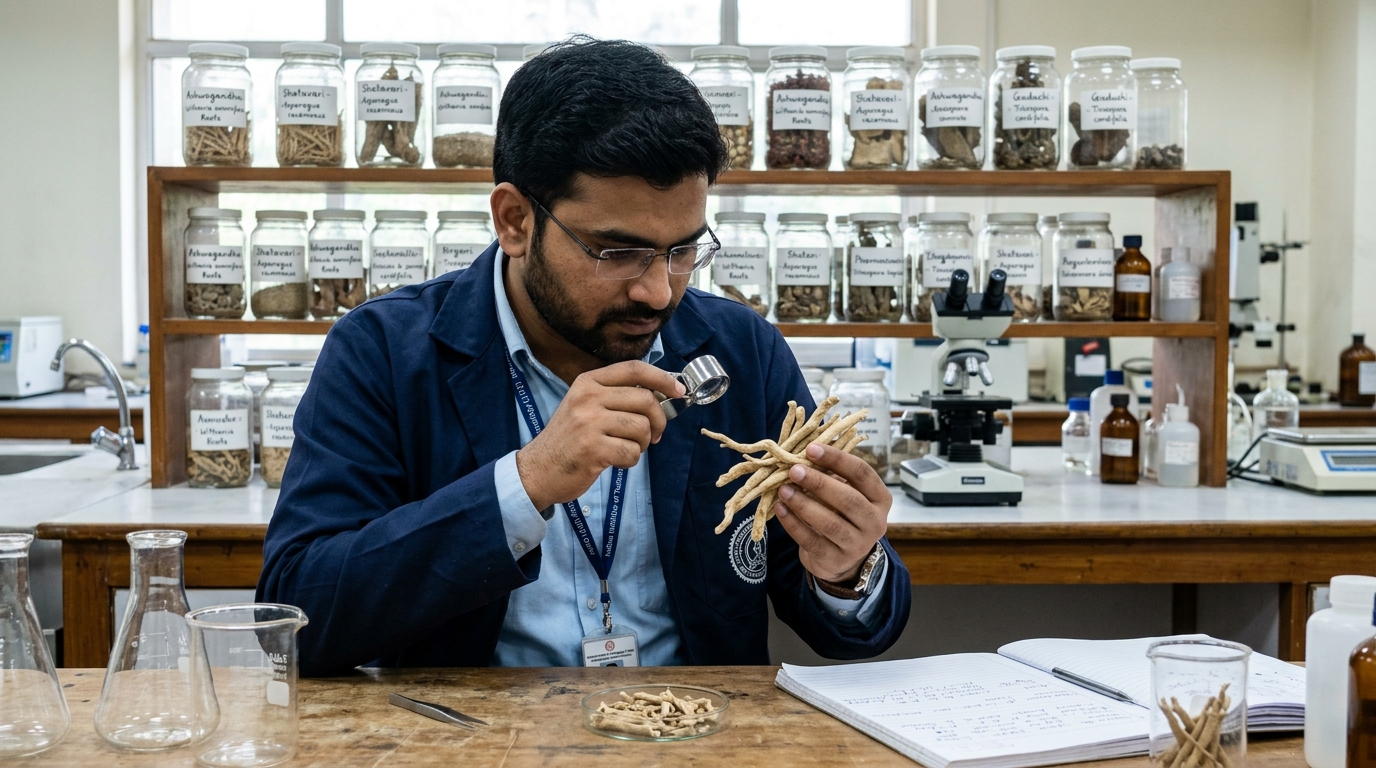
Pharmacognosy research

What Does "Scientific" Actually Mean?

Critics often say "Ayurveda isn't scientific" โ€” but what they really mean is that Ayurveda hasn't gone through the modern clinical trial process for every claim. This is a valid concern, but it's also a moving goalpost.

The scientific method is: observe โ†’ hypothesize โ†’ test โ†’ refine. Ayurveda has done the first three for millennia. The fourth โ€” rigorous, controlled testing by modern standards โ€” is what's now actively underway.

It's worth noting: aspirin came from willow bark, morphine from opium poppies, and artemisinin from Chinese wormwood. Traditional medicine has repeatedly been the starting point for modern breakthroughs.

"The absence of evidence is not evidence of absence. It simply means the research hasn't been done yet."

What Modern Science Has Validated

Dozens of Ayurvedic herbs and practices now have peer-reviewed clinical evidence. Here are the strongest examples.

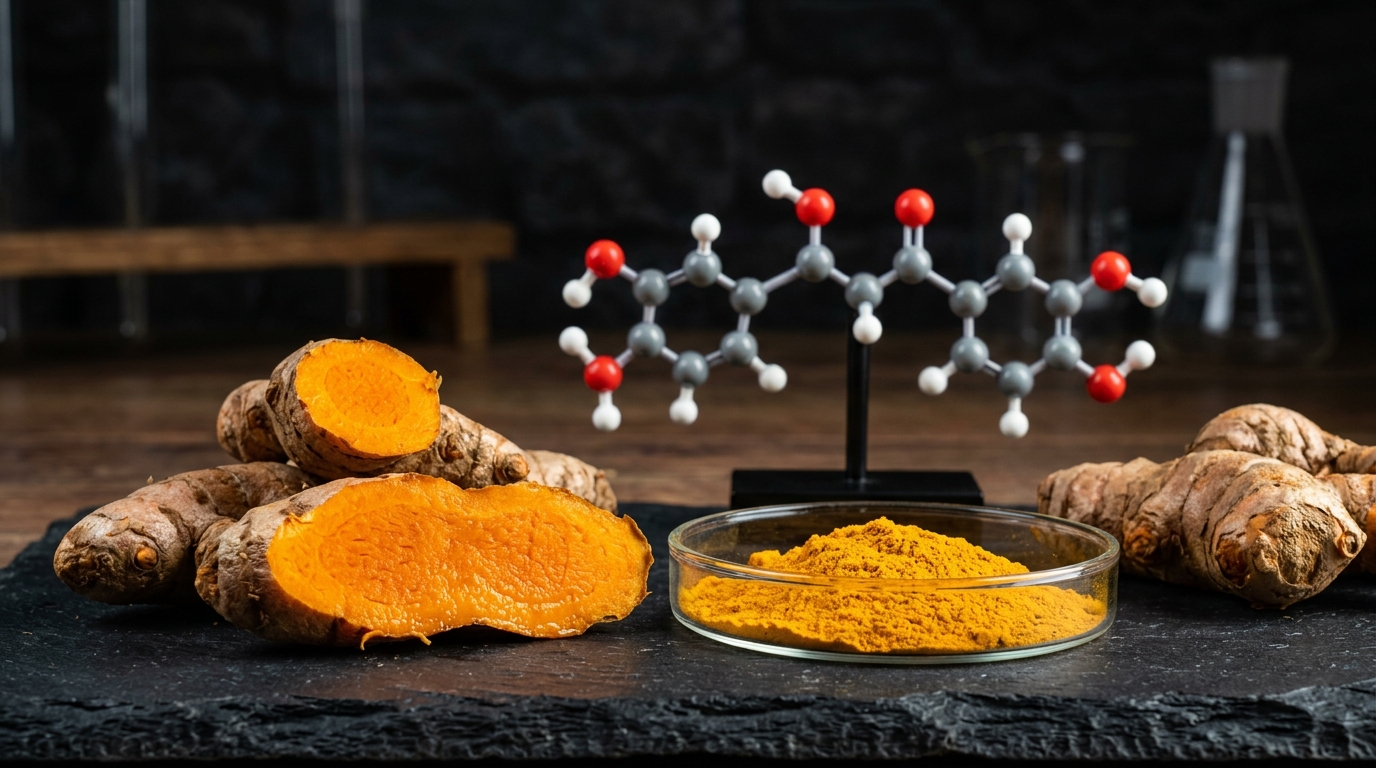
Turmeric curcumin research

Curcumin: The Gold Standard

Turmeric (Curcuma longa) has been used in Ayurveda for over 4,000 years as an anti-inflammatory. Modern science has identified curcumin as its primary bioactive compound.

๐Ÿ”ฌ Clinical Evidence

17,000+ PubMed studies confirm curcumin's anti-inflammatory, antioxidant, and anti-cancer properties. A 2016 meta-analysis of 8 RCTs showed curcumin significantly reduced inflammatory markers (CRP, IL-6).

Sources: Journal of Medicinal Food, 2016; Phytotherapy Research, 2019

โœ… Validated Claims

Anti-inflammatory (equivalent to ibuprofen in some trials), antioxidant activity, joint pain relief, digestive support, neuroprotective effects.

Ashwagandha research

Ashwagandha: The Adaptogen King

Withania somnifera has been Ayurveda's premier rasayana (rejuvenator) for 3,000 years. Modern pharmacology has identified withanolides as its key bioactive compounds.

๐Ÿ”ฌ Clinical Evidence

A landmark 2012 RCT (published in Indian Journal of Psychological Medicine) showed 300mg twice daily reduced cortisol by 27.9% and significantly lowered stress and anxiety scores. A 2019 meta-analysis of 5 RCTs confirmed these effects.

Sources: Indian J Psychol Med, 2012; J Clin Med, 2019

โœ… Validated Claims

Cortisol reduction, stress/anxiety relief, improved sleep, enhanced testosterone and muscle strength in men, thyroid function support.

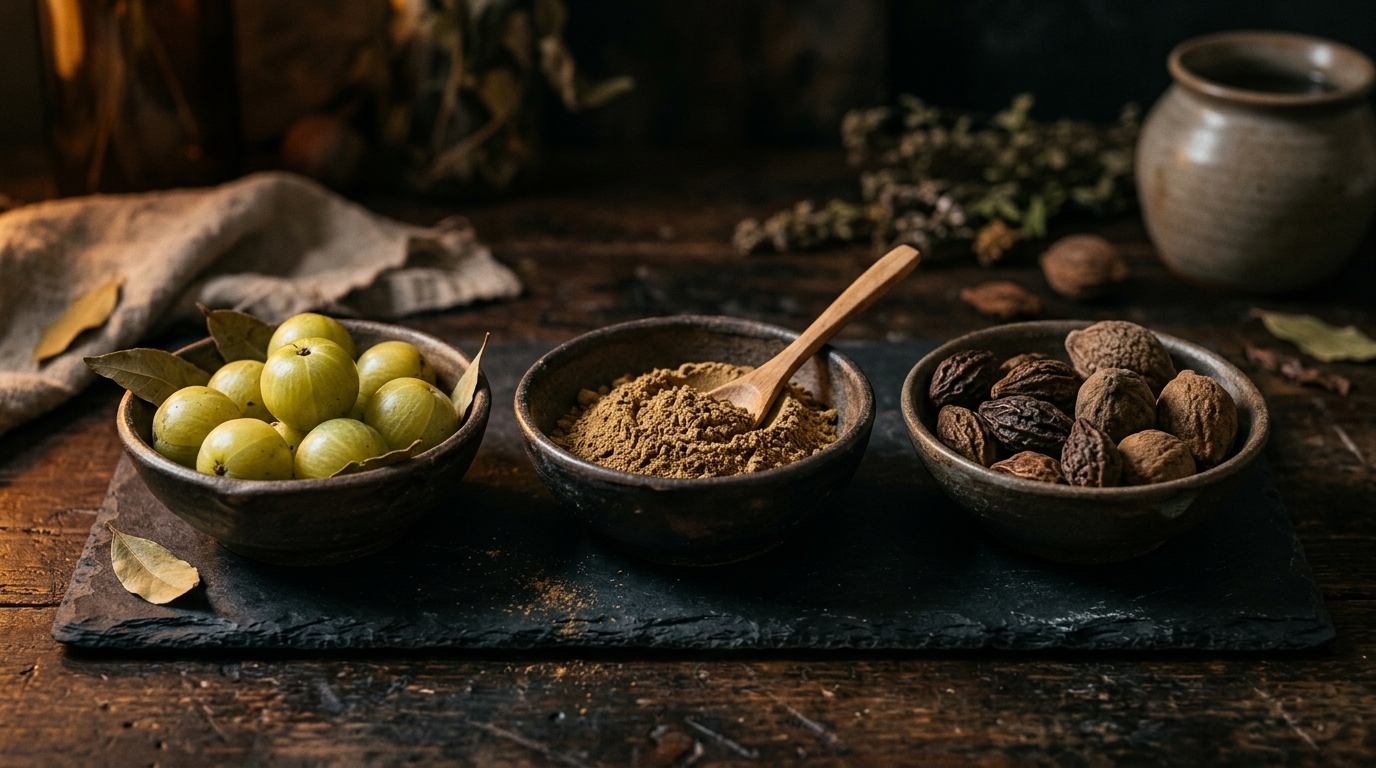
Triphala research

Triphala: The Gut Formula

This 3-fruit combination (Amalaki, Bibhitaki, Haritaki) has been prescribed for digestive health for 2,500+ years. Modern science reveals a sophisticated synergistic mechanism.

๐Ÿ”ฌ Clinical Evidence

A 2017 study in the Journal of Alternative and Complementary Medicine showed Triphala significantly improved gut microbiome diversity and reduced markers of inflammation. Its gallic acid and chebulagic acid have demonstrated potent antioxidant and antibacterial properties.

Sources: J Altern Complement Med, 2017; PLOS One, 2019

โœ… Validated Claims

Gut microbiome modulation, antioxidant activity, gentle laxative effect, anti-inflammatory properties, dental health support.

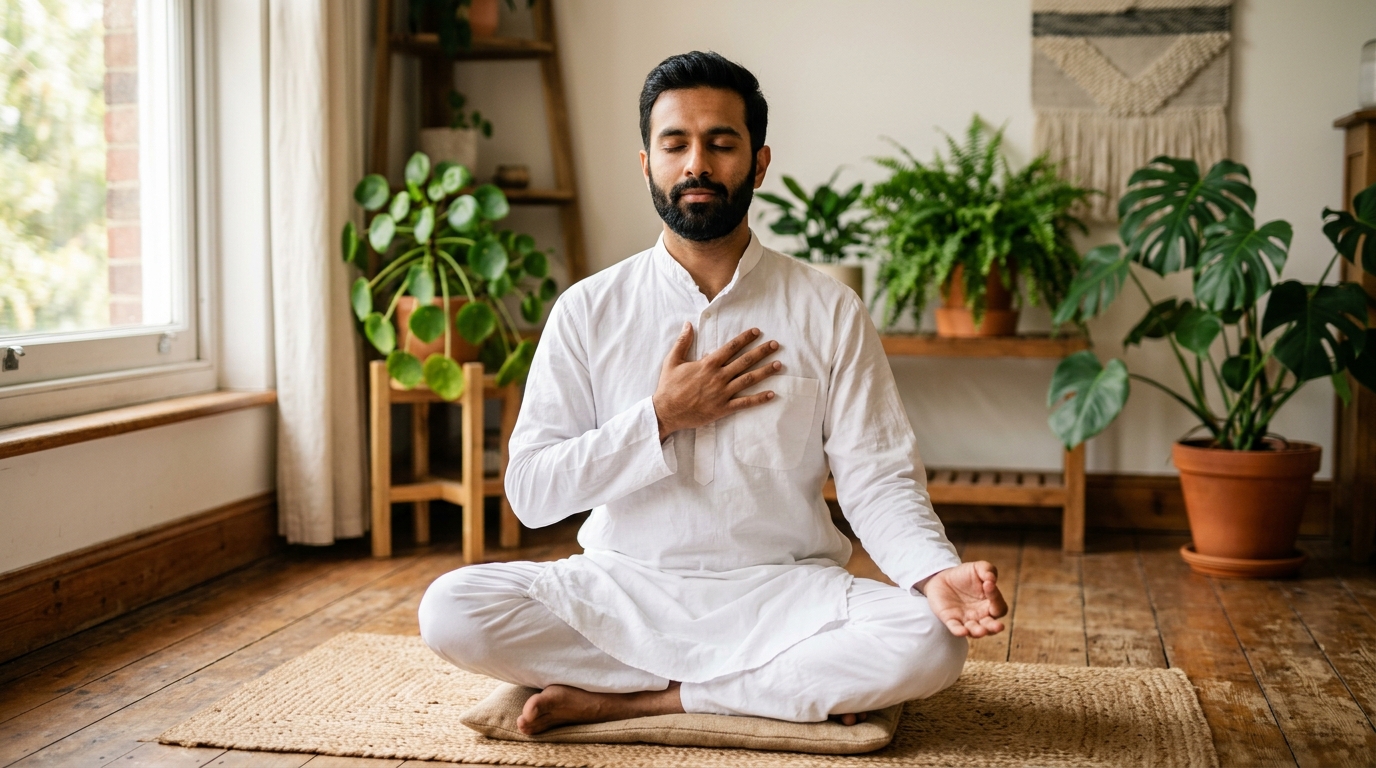
Yoga and pranayama

Yoga & Pranayama: Mind-Body Science

Perhaps the most thoroughly validated aspect of Ayurvedic practice. Yoga and pranayama (breath control) are now prescribed by mainstream physicians worldwide.

๐Ÿ”ฌ Clinical Evidence

A 2017 Harvard meta-analysis of 35 RCTs confirmed yoga significantly reduces cortisol, blood pressure, heart rate, and inflammatory markers. The NIH now lists yoga as an evidence-based complementary therapy for anxiety, depression, and chronic pain.

Sources: Psychoneuroendocrinology, 2017; JAMA Internal Medicine, 2020

โœ… Validated Claims

Stress reduction, HPA axis regulation, cardiovascular benefit, chronic pain management, improved sleep quality, PTSD symptom reduction.

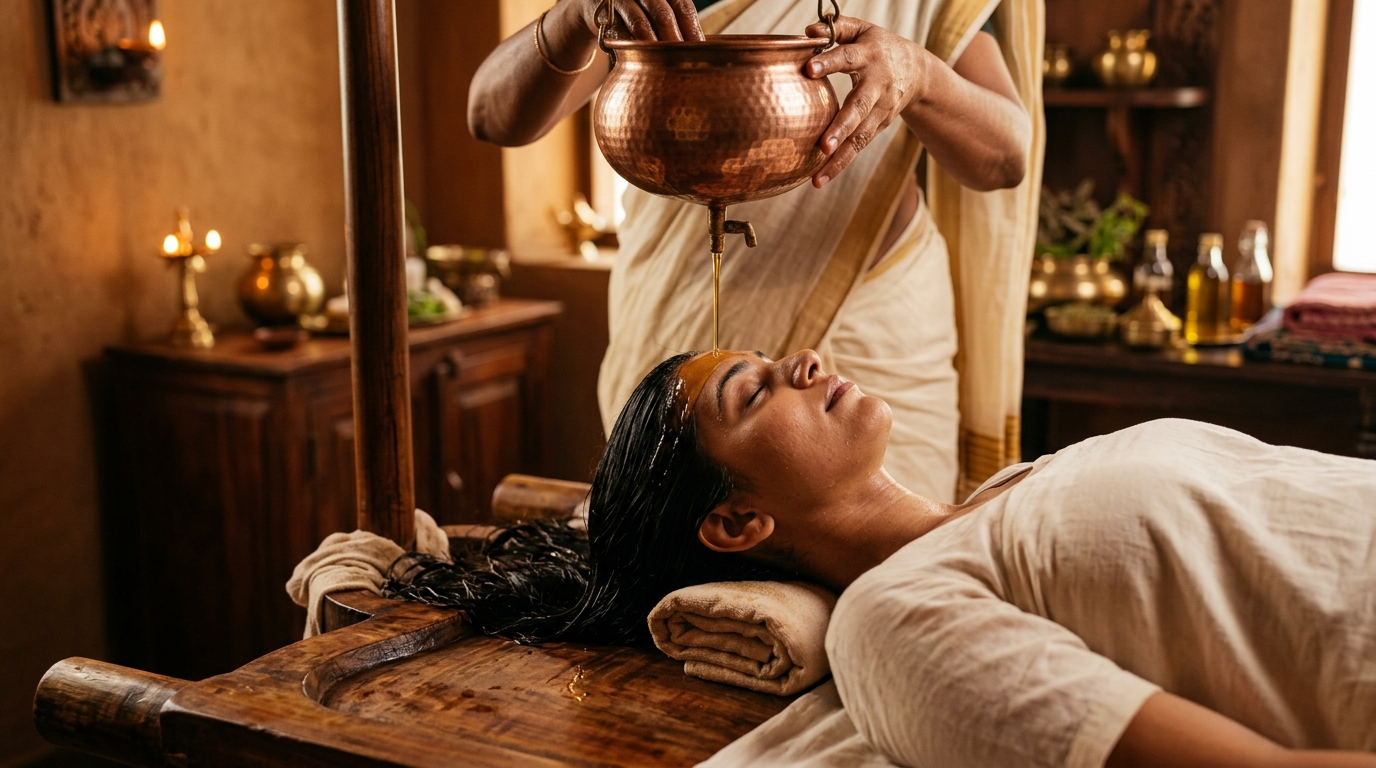
Panchakarma treatment

Panchakarma: The Detox Protocol

Ayurveda's comprehensive 5-step detoxification protocol is its most complex therapeutic system. Research is emerging but still limited compared to individual herbs.

๐Ÿ”ฌ Clinical Evidence

A 2019 pilot study showed a 7-day Panchakarma protocol significantly reduced fat-soluble toxicants (PCBs and pesticides) in participants. Shirodhara (oil pouring) has shown measurable EEG changes associated with deep relaxation.

Sources: J Altern Complement Med, 2019; Evidence-Based Complement Alternat Med, 2018

โš ๏ธ Needs More Research

While promising, Panchakarma needs larger, well-designed RCTs. Most existing studies are small pilot studies. The concept of "detoxification" itself needs clearer mechanistic definition.

Historical Timeline

Ayurveda's Scientific Journey

~1500 BCE
Atharvaveda records earliest medicinal herb descriptions and healing hymns
~700 BCE
Charaka Samhita codifies internal medicine with 600+ herbal formulations
~600 BCE
Sushruta Samhita documents 300+ surgical procedures and 120 instruments
1947
Independent India establishes Central Council for Research in Ayurvedic Sciences (CCRAS)
2003
India creates AYUSH Ministry โ€” formalizing traditional medicine alongside modern healthcare
2015
Nobel Prize for Tu Youyou โ€” artemisinin (from traditional Chinese medicine) validates traditional medicine research
2020-26
Explosion of clinical trials: 800+ RCTs on Ayurvedic compounds indexed on PubMed
Clinical trial research

Where Ayurveda Needs to Do Better

Being honest strengthens credibility. Here's where Ayurveda's scientific validation genuinely falls short:

โš ๏ธ Standardization: Unlike pharmaceutical drugs, Ayurvedic formulations can vary wildly in potency between manufacturers. Without standardized extracts, clinical results are hard to replicate.

โš ๏ธ Quality Control: Heavy metal contamination (lead, mercury, arsenic) has been found in some Ayurvedic products, particularly those using Bhasma (metal-based preparations). Modern GMP compliance is essential.

โš ๏ธ Study Quality: Many Ayurvedic studies have small sample sizes, lack proper blinding, or have methodological weaknesses. More well-funded, large-scale RCTs are needed.

โš ๏ธ Overpromising: Some practitioners make unverified claims about cancer cures or disease reversal that damage credibility for the entire field.

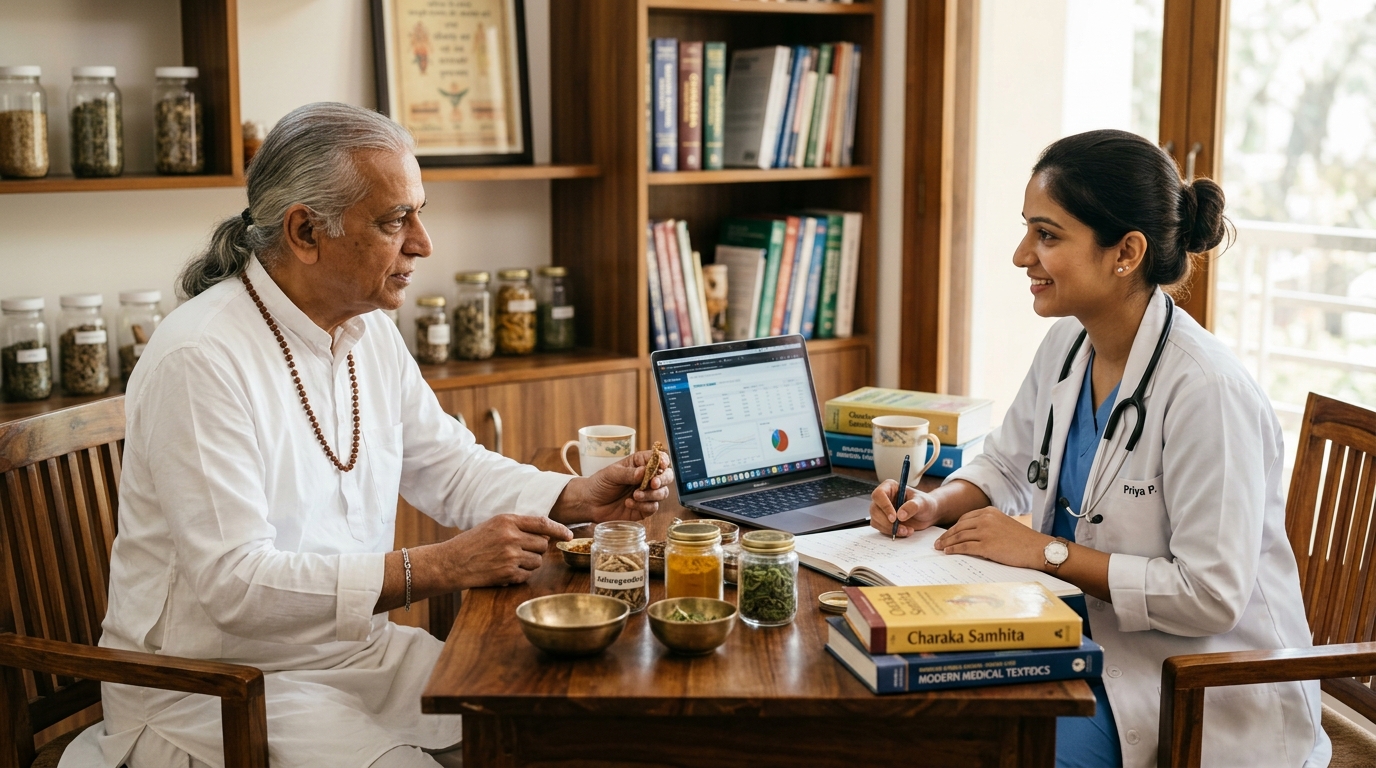
Traditional vaidya meets modern doctor

The Bridge: Integrative Medicine

The future isn't Ayurveda vs. modern medicine โ€” it's Ayurveda and modern medicine. Leading institutions like AIIMS Delhi, NIMHANS Bangalore, and the NIH (USA) now fund integrative medicine research.

Pharmacognosy โ€” the scientific study of medicinal compounds from natural sources โ€” is precisely where ancient wisdom meets molecular biology. Modern tools like HPLC, mass spectrometry, and genomics can now identify, isolate, and validate the exact bioactive compounds that make Ayurvedic herbs effective.

This isn't about blind faith. It's about applying the scientific method to traditional knowledge โ€” respecting the observation while demanding the evidence.

"The question isn't whether Ayurveda is scientific. The question is: how much of it can we validate โ€” and how fast?"

๐Ÿ›๏ธ The Verdict

Ayurveda is not magic, and it's not pseudoscience. It's a sophisticated empirical system built on millennia of human observation โ€” now undergoing the rigorous scientific validation it deserves.

The compounds that Ayurvedic practitioners prescribed 3,000 years ago are the same compounds that modern HPLC machines are now quantifying and clinical trials are now testing. Curcumin, withanolides, gallic acid, eugenol โ€” these aren't mystical. They're measurable, testable molecules.

At Swayu, we believe in this bridge. Every product we recommend has been evaluated through our 8 Pillars of Trust framework โ€” where traditional wisdom is respected, but scientific evidence is required.

The best of both worlds isn't a compromise. It's the highest standard.

Explore More

Dive Deeper Into the Science

Explore our evidence-based articles on specific Ayurvedic herbs, stress science, and the Swayu Standard.

Browse All Articles โ†’